Potty Training: It’s All About Stage, Not Age
Potty Training: It’s All About Stage, Not Age

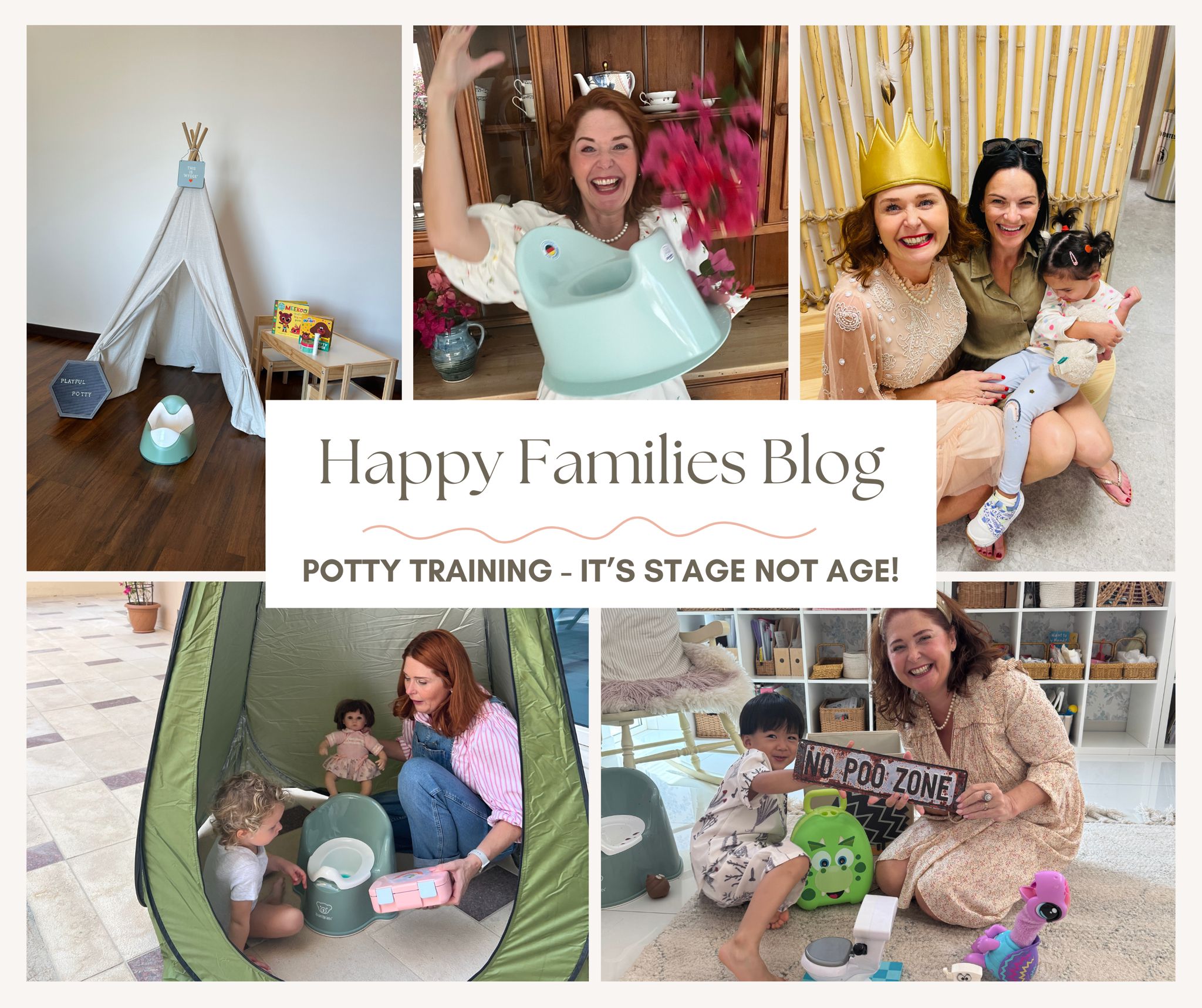
One of the most common questions I hear from parents is “When should I start potty training?” Many feel the pressure as their little one’s second birthday approaches, or they compare themselves to friends whose children are already out of nappies. If this sounds familiar, let me reassure you: potty training is not about a number on the calendar. It is about your child’s stage, their development, and their readiness to learn new skills.

Children grow and develop at different rates, and that is perfectly normal. Instead of focusing on age, we should be looking at capacity. Are they aware of what is happening in their body? Can they follow simple instructions? Do they show an interest in what you are doing? These are the signs that matter most.

Potty training should never feel like a race. When we push too soon or wait too long, we risk making the process stressful for both parent and child. The key is connection. Spend time talking with your little one about their body and what it does. Use positive, normal language that makes toileting a natural part of life rather than something whispered about or hidden away. When we normalise it, we take away the fear and the stigma.

Another important part of the process is helping your child understand their cues and urges. We are not trying to make potty robots who perform on command. We are teaching life skills. The ability to recognise the feeling of needing a wee or a poo and respond to it confidently is a big step towards independence.

So next time you feel that pang of pressure because someone else’s child is out of nappies, take a deep breath. Look at your child. Focus on where they are in their journey, not where others are in theirs. Potty training is not a competition, it is a partnership.

If you want to learn more about how to do this with confidence and calm, my signature potty course is coming very soon. It is packed with over 30 years of experience, practical tips, and proven strategies to make this milestone a positive one. Sign up via the Linktree link in my bio to register your interest and be the first to receive a free potty capability module straight to your inbox.

You have got this, and I am here to help every step of the way.

One of the most common questions I hear from parents is “When should I start potty training?” Many feel the pressure as their little one’s second birthday approaches, or they compare themselves to friends whose children are already out of nappies. If this sounds familiar, let me reassure you: potty training is not about a number on the calendar. It is about your child’s stage, their development, and their readiness to learn new skills.

Children grow and develop at different rates, and that is perfectly normal. Instead of focusing on age, we should be looking at capacity. Are they aware of what is happening in their body? Can they follow simple instructions? Do they show an interest in what you are doing? These are the signs that matter most.

Potty training should never feel like a race. When we push too soon or wait too long, we risk making the process stressful for both parent and child. The key is connection. Spend time talking with your little one about their body and what it does. Use positive, normal language that makes toileting a natural part of life rather than something whispered about or hidden away. When we normalise it, we take away the fear and the stigma.

Another important part of the process is helping your child understand their cues and urges. We are not trying to make potty robots who perform on command. We are teaching life skills. The ability to recognise the feeling of needing a wee or a poo and respond to it confidently is a big step towards independence.

So next time you feel that pang of pressure because someone else’s child is out of nappies, take a deep breath. Look at your child. Focus on where they are in their journey, not where others are in theirs. Potty training is not a competition, it is a partnership.

If you want to learn more about how to do this with confidence and calm, my signature potty course is coming very soon. It is packed with over 30 years of experience, practical tips, and proven strategies to make this milestone a positive one. Sign up via the Linktree link in my bio to register your interest and be the first to receive a free potty capability module straight to your inbox.

You have got this, and I am here to help every step of the way.

One of the most common questions I hear from parents is “When should I start potty training?” Many feel the pressure as their little one’s second birthday approaches, or they compare themselves to friends whose children are already out of nappies. If this sounds familiar, let me reassure you: potty training is not about a number on the calendar. It is about your child’s stage, their development, and their readiness to learn new skills.

Children grow and develop at different rates, and that is perfectly normal. Instead of focusing on age, we should be looking at capacity. Are they aware of what is happening in their body? Can they follow simple instructions? Do they show an interest in what you are doing? These are the signs that matter most.

Potty training should never feel like a race. When we push too soon or wait too long, we risk making the process stressful for both parent and child. The key is connection. Spend time talking with your little one about their body and what it does. Use positive, normal language that makes toileting a natural part of life rather than something whispered about or hidden away. When we normalise it, we take away the fear and the stigma.

Another important part of the process is helping your child understand their cues and urges. We are not trying to make potty robots who perform on command. We are teaching life skills. The ability to recognise the feeling of needing a wee or a poo and respond to it confidently is a big step towards independence.

So next time you feel that pang of pressure because someone else’s child is out of nappies, take a deep breath. Look at your child. Focus on where they are in their journey, not where others are in theirs. Potty training is not a competition, it is a partnership.

If you want to learn more about how to do this with confidence and calm, my signature potty course is coming very soon. It is packed with over 30 years of experience, practical tips, and proven strategies to make this milestone a positive one. Sign up via the Linktree link in my bio to register your interest and be the first to receive a free potty capability module straight to your inbox.

You have got this, and I am here to help every step of the way.

One of the most common questions I hear from parents is “When should I start potty training?” Many feel the pressure as their little one’s second birthday approaches, or they compare themselves to friends whose children are already out of nappies. If this sounds familiar, let me reassure you: potty training is not about a number on the calendar. It is about your child’s stage, their development, and their readiness to learn new skills.

Children grow and develop at different rates, and that is perfectly normal. Instead of focusing on age, we should be looking at capacity. Are they aware of what is happening in their body? Can they follow simple instructions? Do they show an interest in what you are doing? These are the signs that matter most.

Potty training should never feel like a race. When we push too soon or wait too long, we risk making the process stressful for both parent and child. The key is connection. Spend time talking with your little one about their body and what it does. Use positive, normal language that makes toileting a natural part of life rather than something whispered about or hidden away. When we normalise it, we take away the fear and the stigma.

Another important part of the process is helping your child understand their cues and urges. We are not trying to make potty robots who perform on command. We are teaching life skills. The ability to recognise the feeling of needing a wee or a poo and respond to it confidently is a big step towards independence.

So next time you feel that pang of pressure because someone else’s child is out of nappies, take a deep breath. Look at your child. Focus on where they are in their journey, not where others are in theirs. Potty training is not a competition, it is a partnership.

If you want to learn more about how to do this with confidence and calm, my signature potty course is coming very soon. It is packed with over 30 years of experience, practical tips, and proven strategies to make this milestone a positive one. Sign up via the Linktree link in my bio to register your interest and be the first to receive a free potty capability module straight to your inbox.

You have got this, and I am here to help every step of the way.

Stay in touch

Stay in touch

Here you’ll find all things lifestyle related – think healthy, get the ultimate money freedom.

Here you’ll find all things lifestyle related – think healthy, get the ultimate money freedom.

Featured Item

Featured Item

Follow me on Instagram

Lisa Sherrington Boyd

Here you’ll find all things wellness related – think healthy, gluten free and DELICIOUS recipes, stress and anxiety management tips.

Follow on Social Media

2023 © FramerBite, All Rights Reserved

Follow me on Instagram

Lisa Sherrington Boyd

Here you’ll find all things wellness related – think healthy, gluten free and DELICIOUS recipes, stress and anxiety management tips.

Follow on Social Media

2023 © FramerBite, All Rights Reserved

Follow me on Instagram

Lisa Sherrington Boyd

Here you’ll find all things wellness related – think healthy, gluten free and DELICIOUS recipes, stress and anxiety management tips.

Follow on Social Media

2023 © FramerBite, All Rights Reserved

Follow me on Instagram

Lisa Sherrington Boyd

Here you’ll find all things wellness related – think healthy, gluten free and DELICIOUS recipes, stress and anxiety management tips.

Follow on Social Media

2023 © FramerBite, All Rights Reserved